

Introduction
Diesel generators have long been utilized as reliable sources of backup power in various industries and settings. However, https://www.lkpowerplant.com/400kw/ extend beyond serving as emergency power sources. In recent years, diesel generators have gained popularity for their role in frequency regulation within power systems. Frequency regulation is crucial for maintaining the stability and reliability of the electrical grid by ensuring that the power supply matches the demand in real-time. In this article, we will delve into the role of diesel generators in frequency regulation, exploring their benefits, challenges, and the future outlook for this technology.
Understanding Frequency Regulation
Frequency regulation is a critical function in power systems that involves maintaining the grid frequency at a stable level. The grid frequency, typically set at 50 or 60 Hz depending on the region, represents the speed at which alternating current (AC) electricity oscillates. Any imbalance between electricity generation and consumption can cause fluctuations in grid frequency, leading to instability and potential blackouts. Frequency regulation is essential for ensuring that the supply-demand balance is maintained and that the grid operates within acceptable frequency limits.
Traditional Methods of Frequency Regulation
Historically, frequency regulation has been primarily achieved through the control of conventional power plants such as coal, natural gas, and nuclear facilities. These power plants are capable of adjusting their output quickly to respond to changes in demand and maintain grid stability. However, the integration of renewable energy sources, such as wind and solar, has introduced new challenges to frequency regulation due to their intermittent and variable nature.
Renewable energy sources depend on external factors like weather conditions, making their output unpredictable and less controllable. As a result, traditional power plants may not be able to provide the rapid response needed for effective frequency regulation in systems with high renewable penetration. This gap has paved the way for alternative solutions such as energy storage systems and demand response programs.
Role of Diesel Generators in Frequency Regulation
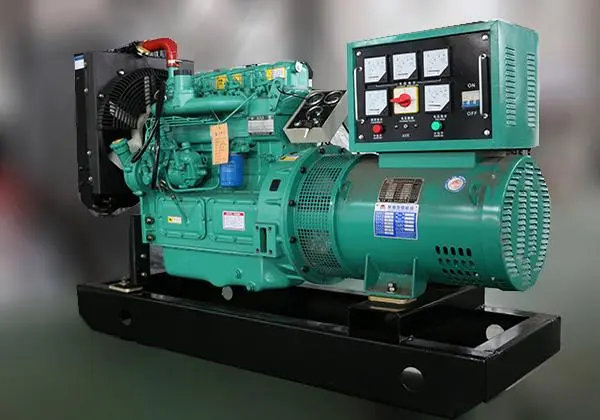
Diesel generators have emerged as an effective solution for frequency regulation due to their ability to provide fast and reliable power output adjustments. Diesel generators are known for their quick start-up times and high ramp rates, allowing them to respond rapidly to changes in grid frequency. When grid frequency deviates from the nominal value, diesel generators can be dispatched to either increase or decrease their output to help restore balance.
One of the key advantages of diesel generators for frequency regulation is their flexibility and scalability. Diesel generators can be deployed in various capacities to meet specific frequency regulation requirements, making them suitable for both centralized and distributed applications. In addition, diesel generators can operate independently of external factors like weather conditions, ensuring consistent performance regardless of external influences.
Benefits of Using Diesel Generators for Frequency Regulation
1. Rapid Response Time: Diesel generators are capable of ramping up or down their output within seconds, making them ideal for responding to sudden changes in grid frequency. This rapid response time helps stabilize the grid and prevent frequency deviations from escalating.
2. Reliability: Diesel generators are known for their robustness and reliability, making them a dependable source of power for frequency regulation. Their mechanical simplicity and proven technology ensure consistent performance even in demanding operating conditions.
3. Cost-Effectiveness: Diesel generators offer a cost-effective solution for frequency regulation compared to other technologies such as energy storage systems. The initial investment and operational costs of diesel generators are relatively low, making them an attractive option for grid operators seeking affordable frequency regulation solutions.
4. Versatility: Diesel generators can be deployed in a wide range of applications, from standalone frequency regulation units to integrated power plants. Their versatility allows for flexible deployment strategies based on specific grid requirements and operational needs.
Challenges and Limitations of Diesel Generators for Frequency Regulation
While diesel generators offer several advantages for frequency regulation, they also face certain challenges and limitations that need to be addressed:
1. Environmental Impact: Diesel generators are known for their emissions of pollutants such as nitrogen oxides (NOx) and particulate matter. Prolonged use of diesel generators for frequency regulation can contribute to air pollution and environmental degradation, raising concerns about their long-term sustainability.
2. Fuel Dependency: Diesel generators rely on fossil fuels such as diesel or fuel oil for operation, making them susceptible to fluctuations in fuel prices and supply chain disruptions. The reliance on fossil fuels also raises concerns about energy security and carbon emissions.
3. Maintenance Requirements: Diesel generators require regular maintenance and servicing to ensure optimal performance and reliability. The need for ongoing maintenance can increase operational costs and downtime, affecting the overall efficiency of diesel generators for frequency regulation.
4. Grid Integration Challenges: Integrating diesel generators into existing power systems for frequency regulation can pose technical challenges related to control strategies, synchronization, and grid compatibility. Ensuring seamless integration with other grid assets is crucial for maximizing the effectiveness of diesel generators in frequency regulation.
Future Outlook for Diesel Generators in Frequency Regulation
Despite the challenges and limitations, diesel generators are expected to play a significant role in frequency regulation in the years to come. As the energy transition accelerates and more renewable energy sources are integrated into the grid, the need for flexible and reliable frequency regulation solutions will continue to grow. Diesel generators offer a proven and scalable option for addressing the challenges associated with renewable energy integration and ensuring grid stability.
To enhance the role of diesel generators in frequency regulation, ongoing research and development efforts are focused on improving their efficiency, reducing emissions, and enhancing grid compatibility. Advances in engine technology, control systems, and grid communication protocols are expected to further optimize the performance of diesel generators for frequency regulation applications.
In conclusion, diesel generators represent a valuable asset for frequency regulation in modern power systems. Their rapid response time, reliability, and cost-effectiveness make them well-suited for addressing the dynamic challenges of grid stability and ensuring a secure energy supply. By leveraging the benefits of diesel generators and addressing their limitations through innovation and best practices, grid operators can enhance the resilience and efficiency of their frequency regulation strategies.
References:
- "Frequency Regulation in Power Systems" by M. K. Verma and A. K. Sinha
- "Role of Diesel Generators in Frequency Regulation" by R. Gupta and S. Sharma
- "Challenges and Opportunities for Diesel Generators in Frequency Regulation" by L. Wang and H. Li
- "Future Trends in Frequency Regulation Technologies" by J. Smith and K. Brown